

Winning 25 games and reaching the NCAA Tournament might be considered an outstanding season at some college basketball programs. At others, those accomplishments barely satisfy the minimum expectations. The difference often comes down to history, financial investment and the demands of fan bases accustomed to competing for championships.
Those expectations have become even more complicated in the modern college basketball landscape. Coaches must manage transfer portal recruiting, roster retention, NIL considerations and player development while still producing results on the court. A team can look completely different from one season to the next, but the pressure to win rarely changes.
That doesn't mean every coach on this list is in danger of losing his job. Some have tremendous job security because of what they've already accomplished. Others are entering important rebuilding seasons, while several have assembled rosters talented enough to make anything short of a deep NCAA Tournament run feel disappointing.
Here are 10 college basketball coaches facing particularly important seasons in 2026-27.
10. Shaka Smart, Marquette
Marquette needs to demonstrate that its disappointing 2025-26 season was an exception rather than the beginning of a troubling trend. Shaka Smart established the Golden Eagles as one of the Big East's most consistent programs during his first several seasons, but maintaining that standard has become more challenging as important players have departed.
The encouraging news is that Marquette has a talented young guard in Nigel James Jr., who developed into one of the conference's most productive offensive players. Smart must find a dependable supporting cast around him while restoring the defensive intensity and consistency that previously made the Golden Eagles so difficult to beat. Another disappointing season would create additional questions about the program's direction, making this an important opportunity to regain momentum.
9. Dennis Gates, Missouri
Dennis Gates has demonstrated that Missouri can compete in the SEC, but the next challenge involves turning regular-season success into something more memorable in March. The Tigers have assembled competitive rosters and returned to the NCAA Tournament conversation, yet expectations continue to grow as the program invests in becoming a consistent conference contender.
Highly regarded freshman Jason Crowe Jr. gives Missouri another intriguing offensive weapon, and Gates has several newcomers capable of making an immediate impact. The challenge will be establishing chemistry while competing in a league filled with talented teams and experienced coaches. Missouri fans have seen promising seasons before, but a meaningful NCAA Tournament breakthrough would provide stronger evidence that Gates is building something sustainable.
8. Mick Cronin, UCLA
UCLA's history creates expectations that few college basketball programs can match. The Bruins have won more national championships than any other men's program, and their supporters expect them to compete at the highest level regardless of conference affiliation or roster changes.
Mick Cronin has already taken UCLA to a Final Four and established a reputation for demanding defensive basketball. However, the Bruins must continue adapting to the physicality and travel demands of the Big Ten while developing enough offensive consistency to challenge the conference's best teams. UCLA doesn't necessarily need to win a national championship for this season to be successful, but another early postseason exit would leave supporters wondering when the program will return to the national elite.
7. Porter Moser, Oklahoma
Porter Moser enters the season needing to demonstrate meaningful progress after Oklahoma struggled to establish consistency in SEC competition. The Sooners retained him following a difficult campaign and committed additional resources to strengthening the basketball program, creating an opportunity to build a more competitive roster.
Moser's previous success at Loyola Chicago, including a memorable Final Four appearance, established his credentials as a capable coach. But competing in the SEC presents a considerably different challenge, particularly against programs with substantial resources and talented rosters. Oklahoma doesn't necessarily need to become a conference championship contender immediately, but the Sooners must show that they're moving in the right direction.
6. Nate Oats, Alabama
Nate Oats has transformed Alabama into one of college basketball's most recognizable offensive programs. The Crimson Tide have developed a reputation for playing at a demanding pace, attempting plenty of three-pointers and challenging opponents to keep up with their scoring ability. That approach has produced significant success, including a Final Four appearance.
But sustained success creates new expectations, and Alabama now enters seasons believing it can compete for a national championship. Returning players such as Amari Allen give Oats another opportunity to build an outstanding team, although developing consistency on both ends of the floor remains essential. The Crimson Tide have demonstrated that they can compete with elite opponents, and the next challenge is putting together the six-game NCAA Tournament run required to win the program's first national title.
5. Pat Kelsey, Louisville
Louisville has assembled one of the country's most intriguing rosters, and that creates enormous expectations for Pat Kelsey. The Cardinals added former Kansas center Flory Bidunga and Oregon guard Jackson Shelstad, giving the program two experienced players capable of making a significant impact. Those additions provide Louisville with an opportunity to challenge the ACC's best teams.
The difficult part will be turning individual talent into a cohesive basketball team. Bidunga can anchor the interior defense, while Shelstad provides offensive creation, but their effectiveness will depend on how quickly Louisville establishes roles and chemistry. Kelsey has already helped restore optimism around the program, and a deep NCAA Tournament run would represent another important step toward returning the Cardinals to national prominence.
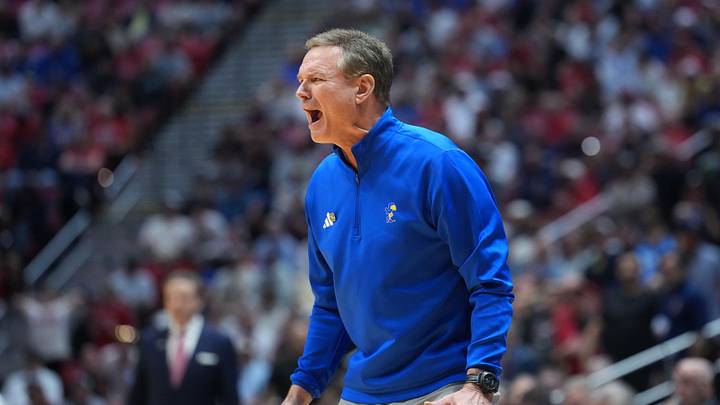
4. Bill Self, Kansas
Bill Self doesn't need another championship to establish his place among college basketball's greatest coaches. His two national titles and decades of success at Kansas have already accomplished that. However, the Jayhawks haven't returned to the Final Four since winning the 2022 championship, and the expectations in Lawrence remain exceptionally high.
Freshman Tyran Stokes gives Kansas a potential superstar capable of changing games through his combination of size, strength and offensive versatility. The Jayhawks also have experienced contributors who could help accelerate the development of their new lineup. Self must determine how to maximize those pieces while navigating a Big 12 schedule filled with difficult opponents. Kansas expects to compete for championships, and another season ending earlier than anticipated would bring familiar questions about the program's postseason performance.
3. Michael Malone, North Carolina
Michael Malone enters one of the most fascinating coaching situations in college basketball. The former Denver Nuggets coach brings an NBA championship and extensive professional experience to North Carolina, but his first season leading the Tar Heels presents challenges that are different from anything he encountered in Denver.
Malone must establish a college recruiting operation, manage a roster featuring numerous newcomers and adjust his coaching approach to the college game. He also inherits a program that made a significant coaching change because its leadership wanted to restore North Carolina's place among the sport's elite. The Tar Heels aren't necessarily expected to win a national championship immediately, but supporters will want to see a clear identity and meaningful progress. His first season could establish the direction of the program for years to come.
2. Jon Scheyer, Duke
Jon Scheyer has demonstrated that Duke can remain a national championship contender following Mike Krzyzewski's retirement. The Blue Devils continue attracting elite talent, competing for ACC championships and entering March with legitimate expectations of reaching the Final Four. That success is impressive, but it also creates an environment where anything short of a championship can feel disappointing.
Duke must replace the offensive influence of Cameron Boozer and Isaiah Evans, making the development of a new offensive identity particularly important. Wisconsin transfer John Blackwell gives the Blue Devils an accomplished scorer, while returning players such as Dame Sarr, Caleb Foster and Patrick Ngongba II provide valuable experience. Scheyer has enough talent to compete with almost anybody, but finding consistent late-game offense will be essential. Duke's season will ultimately be judged by how far the Blue Devils advance in March.
1. Mark Pope, Kentucky
Nobody on this list faces a more demanding combination of expectations, scrutiny and historical pressure than Mark Pope. Kentucky remains one of college basketball's most passionate programs, and its supporters have waited since 2015 for another Final Four appearance. Every season without that breakthrough increases the attention surrounding the head coach.
Pope has assembled another talented roster featuring additions such as Milan Momcilovic and Zoom Diallo, along with returning center Malachi Moreno. The Wildcats have intriguing offensive possibilities, particularly with Momcilovic's perimeter shooting and Diallo's ability to create opportunities off the dribble. But Kentucky must develop a dependable defensive identity and consistent guard play to compete with the SEC's strongest teams.
Pope understands the program's expectations as well as anybody because of his history at Kentucky. That connection provides him with an appreciation for what winning means to the fan base, but it doesn't reduce the pressure. Kentucky supporters don't simply want an NCAA Tournament appearance or another promising regular season. They want to see the Wildcats return to college basketball's biggest stage.
That makes 2026-27 another defining opportunity for Pope. He has the talent to produce an excellent season, but the difference between success and disappointment could ultimately come down to what happens during the second and third weekends of March.
 Add us as a preferred source on Google