

Every March, college basketball fans look at the NCAA Tournament bracket and immediately identify a few matchups that could create serious problems for higher-seeded teams. Sometimes the dangerous opponent is an experienced mid-major with outstanding shooting. Other times it's a defensive-minded program that makes every possession feel like a struggle.
Those teams don't necessarily have the most talented rosters or the highest national rankings. What makes them dangerous is their ability to force opponents into uncomfortable situations, especially when there's limited preparation time between NCAA Tournament games.
A team that depends on transition opportunities might struggle against an opponent that controls tempo. A talented offensive group could encounter serious problems against a physical defense that protects the paint and dominates the glass. Even a national championship contender can find itself in trouble against a well-coached opponent with a clear identity.
With that in mind, this isn't another ranking of the teams most likely to win the national championship. Instead, we're identifying 10 programs whose playing styles, coaching and personnel could make them particularly difficult NCAA Tournament opponents in 2027.
10. Saint Louis
Josh Schertz has transformed Saint Louis into one of the Atlantic 10's most interesting programs, and the Billikens could remain a dangerous opponent despite losing several important contributors. Saint Louis won 29 games last season and reached the second round of the NCAA Tournament, demonstrating that its offensive system can create problems against quality competition.
Replacing Robbie Avila will be particularly challenging because his passing ability and offensive creativity were central to the team's success. However, returning guard Trey Green gives the Billikens an excellent perimeter weapon after connecting on 44.2 percent of his three-point attempts last season. Schertz's offensive approach emphasizes movement, spacing and intelligent decision-making, which can be difficult for unfamiliar opponents to defend. If Saint Louis develops another cohesive rotation, the Billikens could become a dangerous first-round opponent.
9. VCU
VCU reminded everybody of its NCAA Tournament potential last season when the Rams defeated North Carolina in overtime during the opening round. That victory helped establish Phil Martelli Jr. as an intriguing young coach and continued the program's tradition of producing teams capable of challenging higher-profile opponents.
The Rams finished 28-8 and captured another Atlantic 10 championship, demonstrating that their success wasn't limited to one memorable March performance. VCU has built a reputation around physical defense, aggressive perimeter play and the ability to disrupt opponents' offensive rhythm. Those qualities can become particularly valuable in tournament settings, where teams have limited time to prepare for unfamiliar defensive pressure. If Martelli develops another dependable backcourt, VCU could become a difficult matchup regardless of its seed.
8. San Diego State
Brian Dutcher has established San Diego State as one of the country's most dependable defensive programs. The Aztecs routinely force opponents to work for quality shots, compete physically around the basket and remain comfortable playing games that aren't particularly attractive offensively. That identity has helped San Diego State become a consistent postseason threat.
The program's move into the Pac-12 creates a new challenge, particularly with different conference opponents and increased expectations. However, the Aztecs' defensive principles should remain consistent regardless of their conference affiliation. Teams that depend heavily on transition opportunities or comfortable perimeter shooting often struggle against opponents capable of slowing the game and controlling possessions. If San Diego State develops another strong defensive rotation, the Aztecs could once again become a dangerous NCAA Tournament opponent.
7. Wisconsin
Wisconsin has developed a reputation for playing disciplined basketball, valuing possessions and forcing opponents to execute consistently in the half court. That approach can be particularly frustrating during the NCAA Tournament, when teams accustomed to playing at a faster pace suddenly encounter an opponent comfortable slowing everything down.
Nolan Winter gives the Badgers an important returning presence after averaging 13.1 points and 8.5 rebounds last season. His ability to score around the basket, rebound and provide interior stability should help Wisconsin establish its identity while new perimeter contributors develop. The biggest question involves whether the Badgers can generate enough consistent offense against elite competition. If they find dependable guard play, Wisconsin could become the type of team that forces a more talented opponent into an uncomfortable 40-minute battle.
6. Nebraska
Nebraska enters the season with expectations that would have seemed almost unimaginable a few years ago. Fred Hoiberg guided the Cornhuskers to their first NCAA Tournament victories and a Sweet 16 appearance last season, establishing a new standard for a program that historically struggled to make an impact in March.
Pryce Sandfort returns after averaging 18.1 points and making 129 three-pointers, giving Nebraska one of the Big Ten's most dangerous perimeter shooters. His ability to stretch defenses creates additional opportunities for teammates and makes it difficult for opponents to protect the paint without surrendering open shots. Nebraska must replace several important contributors, but Hoiberg has demonstrated an ability to develop an efficient offensive system. If the Cornhuskers establish another balanced rotation, they could become a dangerous opponent for teams that struggle defending the perimeter.
5. Virginia
Virginia has several ingredients that could make the Cavaliers an uncomfortable opponent in March. Thijs De Ridder returns after earning first-team All-ACC honors, while Johann Grünloh provides size and defensive protection around the basket. Chance Mallory also gives Ryan Odom an intriguing young guard capable of creating offense and pressuring opposing ballhandlers.
That combination could allow Virginia to challenge opponents in several different ways. De Ridder can generate offense from the frontcourt, Grünloh makes scoring around the basket more difficult and Mallory provides perimeter energy. Odom must develop enough offensive consistency to maximize those strengths, particularly against teams capable of pressuring the ball. If the Cavaliers become more balanced, they could create difficult matchup problems for opponents that rely too heavily on one offensive approach.
4. St. John's
Rick Pitino has spent decades demonstrating that his teams can become extremely difficult to beat when postseason basketball arrives. His ability to prepare for unfamiliar opponents, establish defensive discipline and make adjustments during games remains one of his greatest strengths. That experience alone makes St. John's a program worth watching as March approaches.
The Red Storm must replace several important contributors, but their roster features intriguing offensive talent. Tounde Yessoufou arrives after an outstanding freshman season at Baylor, while Ian Jackson returns with an opportunity to assume greater scoring responsibilities. Experienced international guard Quinn Ellis also gives Pitino another potential offensive organizer. The biggest challenge will be establishing chemistry, but if St. John's develops the defensive intensity and physicality Pitino demands, the Red Storm could become a difficult opponent for almost anybody.
3. Iowa State
T.J. Otzelberger has built Iowa State around one of the clearest defensive identities in college basketball. The Cyclones pressure opponents, compete physically and consistently force difficult decisions. Their defensive approach can disrupt even talented offensive teams, particularly when opponents haven't encountered that level of intensity during their regular conference schedules.
Iowa State has reached five consecutive NCAA Tournaments under Otzelberger, demonstrating the consistency of the program's approach. Although the roster will look different entering 2026-27, the expectations surrounding defensive effort and execution won't change. The Cyclones must develop enough reliable offense to complement that defensive foundation, but their ability to disrupt opposing guards could make them a nightmare matchup. Teams that struggle handling pressure will have little room for mistakes against Iowa State.
2. Gonzaga
Gonzaga enters a new era in the Pac-12, but the program's national expectations remain unchanged. Mark Few has built one of college basketball's most consistent programs, regularly developing teams capable of competing against the nation's best opponents. The Bulldogs' experience preparing for high-level nonconference games should help them navigate the challenges of their new league.
Braden Huff gives Gonzaga an important returning frontcourt presence, while Massamba Diop adds another imposing interior option. That combination could allow the Bulldogs to control the paint and make life difficult for opponents that depend heavily on scoring around the basket. Few also has the offensive experience to develop systems that maximize his players' strengths. If Gonzaga establishes dependable perimeter play alongside its talented frontcourt, the Bulldogs could become one of the most dangerous teams in the country by March.
1. Houston
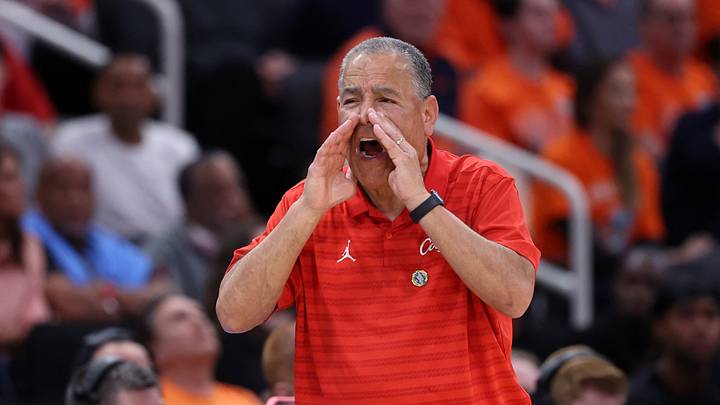
There may not be a more uncomfortable NCAA Tournament opponent than Houston. Kelvin Sampson has established a program built around defensive intensity, physical rebounding and extraordinary attention to detail. The Cougars don't simply try to outscore opponents. They attempt to make every possession difficult, forcing teams to execute under constant pressure.
Houston has reached seven consecutive Sweet 16s, an extraordinary accomplishment in an era when college basketball rosters can change dramatically from one season to the next. That consistency reflects the program's culture and Sampson's ability to establish clear expectations regardless of personnel. Joseph Tugler returns as one of the nation's premier interior defenders, while Dedan Thomas Jr. gives the Cougars an experienced offensive playmaker.
The challenge will be developing chemistry among the new contributors, but Houston's defensive approach should provide a dependable foundation. Teams facing the Cougars must prepare for physical play, difficult shots and a relentless battle for rebounds. Even talented opponents can become frustrated when their normal offensive rhythm disappears.
That doesn't guarantee Houston another Final Four appearance, but it does make the Cougars the kind of opponent nobody wants to encounter on Selection Sunday.
The NCAA Tournament rarely rewards teams simply for having the most recognizable players or the highest preseason rankings. It rewards programs capable of executing under pressure, adjusting to unfamiliar opponents and finding ways to win when their preferred style isn't working.
Those are the qualities that make these 10 teams particularly interesting. Some will need to answer important questions before March, and not all are guaranteed to reach the tournament. But if they develop as expected, each could become the kind of opponent capable of destroying somebody else's championship dreams.
 Add us as a preferred source on Google