

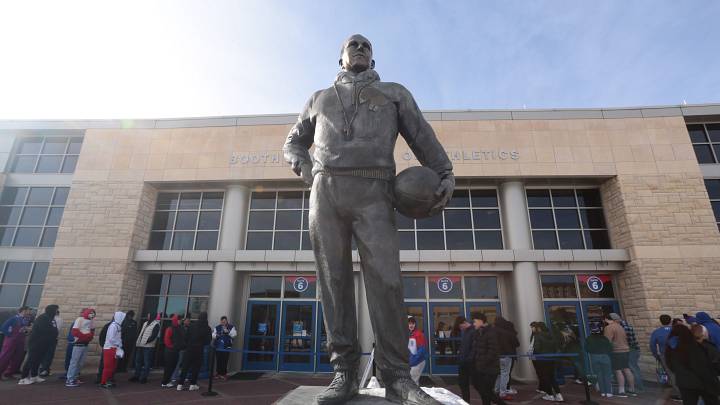
There are few experiences in sports quite like walking into a packed college basketball arena when the home team is playing its biggest rival. The student section is screaming, the building seems to shake with every defensive possession and even routine offensive plays become difficult to execute.
The best home-court advantages are about considerably more than crowd size. They involve tradition, proximity to the floor, student participation and the psychological pressure that comes from knowing thousands of people are waiting for an opponent to make a mistake.
Some programs have developed such remarkable home records that visiting teams understand the challenge long before they arrive. Others possess environments where even nationally ranked opponents struggle to establish their preferred offensive rhythm.
A June 2026 analysis of adjusted home-court performance identified Gonzaga, Duke, Arizona, Houston and Kentucky among the nation's strongest programs over the previous 12 seasons. That statistical evidence helps explain why those schools belong in the conversation, although this ranking also considers atmosphere, tradition and the overall difficulty of winning in each building.
Here are the 10 best home-court advantages entering the 2026-27 season.
10. Michigan State: Breslin Center
Michigan State has built one of college basketball's most recognizable home environments under Tom Izzo. The Izzone student section creates constant noise and energy, particularly when the Spartans face their biggest Big Ten opponents. That atmosphere becomes especially difficult for visiting teams when Michigan State establishes defensive pressure and begins controlling the glass.
The Breslin Center's biggest advantage is how naturally the crowd responds to the physical style Izzo demands. A defensive stop or offensive rebound can create almost as much excitement as a spectacular dunk. With Jeremy Fears Jr. returning to lead another talented team, Michigan State should once again have an environment capable of influencing important conference games.
9. Arkansas: Bud Walton Arena
Bud Walton Arena becomes one of college basketball's most intimidating buildings when Arkansas is playing meaningful basketball. Razorbacks fans have demonstrated an extraordinary willingness to support their program, particularly when nationally recognized opponents arrive in Fayetteville. The atmosphere can become overwhelming when Arkansas begins generating defensive stops and transition opportunities.
John Calipari has brought additional national attention to the program, increasing expectations and excitement around the Razorbacks. Arkansas has the athleticism and offensive talent to produce explosive stretches, which can quickly transform a competitive game into an uncomfortable situation for visitors. When the Razorbacks are playing well, Bud Walton Arena provides an enormous emotional advantage.
8. Kentucky: Rupp Arena
Kentucky possesses one of college basketball's most recognizable home environments, and Rupp Arena remains a destination that carries enormous historical significance. The Wildcats' passionate supporters expect championship-level basketball, creating an atmosphere where every important possession receives considerable attention.
The size of the building gives Kentucky a different kind of advantage from smaller arenas where students are positioned directly on top of the floor. When the crowd becomes fully engaged, however, the noise and energy can make communication difficult for visiting teams. Mark Pope understands the importance of maintaining that connection with Kentucky supporters, and a strong 2026-27 season could make Rupp Arena especially difficult for opponents.
7. Houston: Fertitta Center
Houston has developed one of the nation's most effective home-court advantages through an approach built around defensive intensity and physical basketball. Kelvin Sampson's teams force opponents to execute under constant pressure, and the Fertitta Center crowd responds enthusiastically to that style. Visiting teams often find themselves battling both Houston's defense and an environment that becomes increasingly difficult as mistakes accumulate.
The Cougars have established an extraordinary home record since the Fertitta Center opened, demonstrating that the advantage extends beyond atmosphere alone. Their ability to control possessions, dominate the offensive glass and force uncomfortable shots makes winning in Houston especially challenging. With another talented roster entering 2026-27, the Cougars should remain one of the country's most difficult home opponents.
6. Purdue: Mackey Arena
Mackey Arena consistently provides Purdue with one of the Big Ten's most demanding home environments. The student section is positioned close enough to the action to make every possession feel important, while the building's design helps create a remarkable level of noise. Visiting teams must remain composed against an atmosphere that can become particularly intense during important conference games.
Matt Painter has built a program that values offensive execution, physical rebounding and defensive discipline. Those qualities become even more effective when Purdue's crowd begins influencing the energy of the game. Although the Boilermakers must replace several important contributors, their home environment should remain a significant advantage throughout the season.
5. Arizona: McKale Center
Arizona has established one of college basketball's most passionate fan bases, and McKale Center provides the Wildcats with a tremendous advantage during important games. The atmosphere becomes especially intense when Arizona faces highly ranked opponents or longtime conference rivals. Visiting teams frequently encounter an environment where every defensive stop and transition opportunity generates enormous excitement.
Tommy Lloyd has maintained Arizona's position among the nation's strongest programs, and that success has helped sustain the energy surrounding home games. The Wildcats' offensive style can create scoring runs that become even more difficult to stop when the crowd gets involved. As Arizona continues competing in the demanding Big 12, McKale Center should remain one of its most important advantages.
4. Iowa State: Hilton Coliseum
Few phrases in college basketball carry the same meaning as Hilton Magic. Iowa State has developed a reputation for producing remarkable home performances, particularly against highly ranked opponents who arrive expecting to control the game. The Cyclones' passionate supporters create an atmosphere that can make even routine possessions feel uncomfortable.
T.J. Otzelberger's defensive approach makes that environment particularly effective. Iowa State pressures opposing ballhandlers, forces difficult decisions and creates opportunities for the crowd to influence the game. When the Cyclones begin generating turnovers and transition baskets, Hilton Coliseum can become one of the most difficult buildings in the country.
3. Duke: Cameron Indoor Stadium
Cameron Indoor Stadium remains one of college basketball's most recognizable venues because of its intimate atmosphere and extraordinary student participation. The Cameron Crazies have become synonymous with creative distractions, relentless noise and the kind of energy that makes visiting teams uncomfortable throughout an entire game.
The building's relatively small size places fans close to the action, creating an environment that feels different from larger arenas. Duke's continued success under Jon Scheyer has helped maintain the importance of every major home matchup. When the Blue Devils are playing well and Cameron Indoor Stadium is fully engaged, few opponents enjoy the experience of visiting Durham.
2. Gonzaga: McCarthey Athletic Center
Gonzaga's McCarthey Athletic Center has become one of college basketball's most difficult venues because of its intimate atmosphere and extraordinary home record. The Kennel Club student section provides constant energy, and the building's design allows the crowd to remain close to the action. Visiting teams quickly discover that even ordinary possessions can become uncomfortable.
A 2026 analysis of adjusted home-court advantage placed Gonzaga first nationally over the previous 12 seasons, providing statistical support for what opponents have experienced for years. The Bulldogs' transition into the Pac-12 creates new challenges, but their home environment should remain a tremendous advantage. Mark Few has established a culture of consistent winning, and the Kennel continues to reflect that standard.
1. Kansas: Allen Fieldhouse
Allen Fieldhouse represents almost everything that makes college basketball special. The building combines decades of history, passionate supporters and an atmosphere that can become overwhelming when Kansas faces an important opponent. From the pregame traditions to the final defensive possession, visiting teams experience an environment that feels different from almost anywhere else in the sport.
Bill Self has built one of college basketball's most successful programs, and the Jayhawks' extraordinary home record reflects both the quality of their teams and the advantage created by their supporters. Allen Fieldhouse doesn't need elaborate distractions to influence a game because the crowd understands exactly when its energy matters most. A defensive stop, a difficult rebound or a timely three-pointer can transform the entire atmosphere.
Kansas enters 2026-27 with another talented roster and significant national expectations. That should create several memorable nights in Lawrence, particularly when the Jayhawks face their strongest Big 12 opponents. Other arenas may produce louder individual moments or stronger statistical advantages over particular periods, but Allen Fieldhouse remains the standard for the complete college basketball home-court experience.
Home-court advantage isn't always enough to overcome a more talented opponent, but it can dramatically influence how a game unfolds. The best environments force visiting teams to remain composed through difficult stretches while giving the home team an emotional boost when momentum begins to change.
Those qualities should make these 10 buildings especially important during the upcoming season.
 Add us as a preferred source on Google