

Most college basketball exhibition games follow a familiar formula. A nationally prominent program welcomes an opponent from a smaller division, experiments with its rotation and attempts to build confidence before the regular season. The result might provide useful information for coaches, but the matchup rarely captures much national attention.
Arkansas and Gonzaga decided to do something different.
The Razorbacks and Bulldogs scheduled an October 24 exhibition at Bud Walton Arena featuring two programs ranked among the nation's top 15. Arkansas entered the matchup ranked No. 12 in the Associated Press preseason poll, while Gonzaga was No. 15. Instead of choosing a relatively comfortable opponent, both programs embraced a challenge that resembles the type of matchup fans usually anticipate in March.
Why this exhibition is different
The distinction begins with the level of competition. Arkansas and Gonzaga aren't programs searching for national relevance. Both enter the 2026-27 season expecting to compete against outstanding opponents, reach the NCAA Tournament and position themselves for meaningful postseason success.
Arkansas is coming off consecutive Sweet 16 appearances under John Calipari. The program also assembled the nation's No. 1 recruiting class, according to the ranking cited in its official preseason announcement. Those accomplishments have generated considerable expectations around a team attempting to take another step toward championship contention.
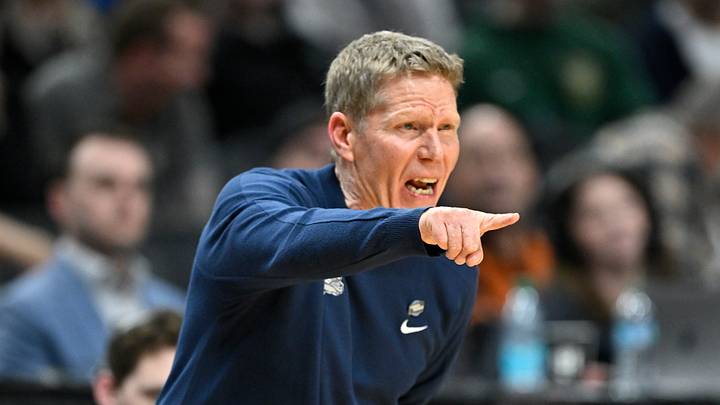
Gonzaga enters the season with similarly substantial ambitions. Mark Few has established one of college basketball's most consistent programs, building a reputation for outstanding offense, player development and sustained NCAA Tournament success. Facing Arkansas before the regular season gives the Bulldogs an opportunity to measure their preparation against a nationally recognized opponent.
That makes the exhibition more meaningful than the typical October contest, even though the result won't affect either team's official record.
Arkansas faces an immediate test of its expectations
Calipari's program has generated considerable optimism, but highly regarded recruiting classes don't automatically become championship teams. Young players must adjust to college basketball's physical demands, understand defensive responsibilities and learn how to execute within a system. Those developments take time, particularly when a roster includes several newcomers expected to contribute immediately.
Gonzaga presents an unusually demanding environment for that process. The Bulldogs have extensive experience preparing for nationally prominent opponents and competing in high-pressure games. Their approach should challenge Arkansas in ways that a more conventional exhibition opponent might not.
The Razorbacks can learn from both success and failure in this setting. If their young players execute effectively, it provides encouraging evidence that the roster is developing quickly. If Gonzaga exposes weaknesses, Arkansas will have additional time to address those problems before the games begin counting.
That is precisely what makes the matchup valuable.
Gonzaga has something to gain, too
The benefits aren't limited to Arkansas. Gonzaga must also prepare for the demands of another season filled with high expectations and nationally significant matchups. Traveling to Fayetteville creates an opportunity to experience a difficult environment while evaluating the team's ability to respond against talented competition.
Bud Walton Arena is capable of producing an atmosphere that resembles a major regular-season contest. Arkansas lists the building's capacity at 19,200, and the presence of another nationally ranked program gives fans a compelling reason to attend an October exhibition.
For Gonzaga, the challenge involves maintaining execution when the opponent possesses the talent to punish mistakes. Defensive communication, rebounding and offensive decision-making become more difficult when a team faces players capable of creating their own scoring opportunities. Those situations provide useful preparation for the demanding games awaiting the Bulldogs.
Few has built his program around competing against strong opponents rather than avoiding them. This exhibition fits that philosophy while providing a different kind of preseason experience.
The result matters less than the lessons
One of the most important distinctions surrounding exhibition basketball is that coaches don't necessarily approach these games the same way they would a conference matchup. They may experiment with combinations, give younger players extended opportunities or emphasize particular areas of development. Winning remains desirable, but identifying weaknesses can be equally valuable.
That perspective is especially important for Arkansas and Gonzaga. A victory won't establish either program as a national championship favorite, and a loss won't eliminate its potential. The most meaningful information will come from how the teams execute, how newcomers respond and whether their systems function effectively against quality opposition.
Fans should still expect an entertaining contest. Two nationally ranked programs competing inside a major college basketball arena create a much more compelling setting than the traditional preseason tune-up.
The matchup also demonstrates that exhibition games can generate meaningful interest without affecting official standings. Scheduling a strong opponent gives players a challenge, provides coaches with useful information and creates a worthwhile event for supporters.
College basketball could use more of these games
The early weeks of the college basketball calendar can be difficult for casual fans to follow. Exhibition schedules vary widely, television coverage is inconsistent and many contests feature opponents with dramatically different levels of talent. Arkansas and Gonzaga offer an example of how preseason competition can become more compelling.
There is value in allowing players to gain confidence against smaller programs, but there is also value in creating a difficult test before regular-season pressure arrives. A high-profile exhibition can reveal weaknesses that might otherwise remain hidden until November or December.
Arkansas and Gonzaga have established themselves as programs that expect to compete on the national stage. Their willingness to meet before the regular season reflects those ambitions and provides an entertaining opportunity for fans.
October basketball doesn't have to feel like a formality. Sometimes the best preparation involves facing an opponent that can actually beat you.
 Add us as a preferred source on Google