

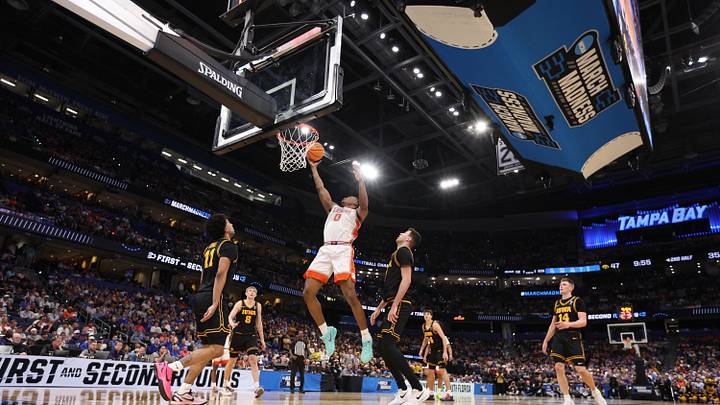
The 2026–27 college basketball season has officially arrived, but not every important development surrounding the sport is taking place on the court. While teams begin their schedules and fans finally get their first look at new rosters, an ongoing battle over NCAA eligibility rules continues to create uncertainty for players and coaches across the country.
The issue has become much bigger than a handful of athletes seeking another year of competition. Hundreds of players have been involved in legal challenges, and the outcomes could affect everything from starting lineups to conference championship races. For programs with national title aspirations, the difference between having an experienced contributor available and losing that player during the season could be enormous.
What makes the situation particularly complicated is that some athletes have received permission to compete through temporary court orders, while others remain ineligible or are waiting for additional rulings. That creates a landscape in which two programs facing similar circumstances could enter the season with very different answers about their rosters.
Hundreds of players are caught in the middle
According to an Associated Press report published ahead of the season, the NCAA has faced approximately 200 lawsuits involving about 850 athletes since approving its new eligibility framework. The report indicated that 424 of those athletes were basketball players, with 201 receiving some form of court relief that allowed them to compete.
Those figures illustrate just how widespread the issue has become. The NCAA adopted a new five-year eligibility model in June, changing the framework governing how long athletes can compete at the college level. The transition has led to disagreements over how the rules should apply to players who had already completed four seasons of competition before the changes took effect.
Some athletes have successfully argued that the new framework should not prevent them from returning, while others have received different outcomes in court. The resulting uncertainty has placed schools in the difficult position of preparing for a season without always knowing which players will remain eligible from beginning to end.
Championship contenders have plenty at stake
Eligibility questions are not limited to smaller programs or athletes who would otherwise play limited minutes. They have also involved players connected to nationally prominent teams, making the issue especially relevant to the championship conversation.
Florida guard Denzel Aberdeen and Arizona transfer RJ Godfrey are among the players whose eligibility situations have drawn attention in connection with court proceedings. Their cases illustrate why these disputes matter beyond the legal arguments themselves. Experienced players can provide scoring, defensive versatility, rebounding and leadership that coaches spend months incorporating into their plans.
When a program builds its rotation around an athlete whose eligibility remains uncertain, the potential consequences extend throughout the roster. A teammate might be preparing for a reserve role before suddenly being asked to start, while another player could see his responsibilities change dramatically. Coaches also face difficult decisions about how much to depend on someone whose status could be affected by another ruling.
Those adjustments are challenging enough during the offseason. Making them after games have already begun can be considerably more disruptive, particularly for teams competing in conferences where nearly every victory matters.
The uncertainty could last well beyond opening night
One of the most difficult aspects of the situation is that receiving permission to play does not necessarily guarantee eligibility for the entire season. Some court orders provide temporary relief while cases continue, and additional hearings or appeals can change the legal circumstances.
The NCAA has maintained that consistent national eligibility standards are necessary to preserve competitive fairness and provide stability across college athletics. Athletes challenging the rules have argued that the transition has created unequal treatment and unfairly restricted their opportunities to compete.
Both positions carry significant implications for the future of college sports, but coaches are dealing with the immediate consequences. They must prepare teams to win games while monitoring developments that could affect personnel decisions at almost any point during the season.
There is also the question of competitive balance. A program that receives a favorable ruling could gain an experienced contributor, while another school dealing with a different legal outcome might be forced to move forward without a similarly situated player.
March could look different because of decisions made now
The biggest concern is not necessarily what happens during the opening week. It is what these eligibility disputes could mean several months from now, when conference championships and NCAA Tournament positioning are on the line.
A team that begins November with a complete rotation could look considerably different by February if a key player's status changes. Another program might benefit from having an experienced athlete available after originally preparing to play without him. Those possibilities make it difficult to evaluate certain teams entirely through the usual combination of talent, coaching and early-season results.
None of this means that every pending case will influence the national championship race. Many teams will move through the season without eligibility disputes becoming a major storyline. But the number of athletes involved makes it clear that the issue is not going away simply because the games have started.
College basketball finally has scores, standings and performances to discuss again. Yet some of the decisions that could ultimately shape the 2026–27 season may still be made in courtrooms rather than arenas.
For a sport already experiencing enormous change, that is another layer of uncertainty hanging over what should be a fascinating season.
 Add us as a preferred source on Google