

College basketball championships are rarely determined by which team has the most impressive collection of individual talent in October. The NCAA Tournament creates difficult matchups, unexpected challenges and moments when even outstanding teams must find ways to overcome their weaknesses.
Sometimes the difference is a freshman becoming comfortable with major responsibilities. Other times, it's an injured star returning to form or a team discovering that its perimeter shooting isn't dependable enough against elite defensive competition.
Those developments can completely change the national championship picture. A team that appears nearly unstoppable in November might struggle in March if opponents identify a weakness it cannot overcome.
The 2026-27 season features several programs with legitimate championship aspirations, but each has at least one important question to answer.
Here are the 10 biggest X-factors that could determine who cuts down the nets in April.
10. Can Arkansas' freshmen handle championship-level pressure?
Arkansas has assembled another talented recruiting class under John Calipari, with Jordan Smith Jr. among the newcomers expected to make an immediate impact. The Razorbacks also possess experienced contributors, including Billy Richmond III and Jeremiah Wilkinson, but their ultimate ceiling could depend on how quickly the freshmen develop.
The challenge isn't simply producing impressive statistics during November games. Arkansas needs its younger players to make dependable decisions when opponents apply pressure and possessions become difficult. If Smith and the other newcomers become comfortable handling those situations, the Razorbacks could develop into a dangerous championship contender.
9. Will Arizona replace its lost perimeter production?
Arizona returns outstanding interior players, including Motiejus Krivas and Ivan Kharchenkov, but the Wildcats must replace several important contributors from last season's Final Four team. That creates significant opportunities for highly regarded freshman Caleb Holt and other newcomers.
The Wildcats have enough size and frontcourt experience to compete against elite opponents. Their championship potential could ultimately depend on whether their new perimeter players provide dependable scoring and decision-making. If Holt develops into an immediate star, Arizona could remain among the nation's strongest teams despite the roster turnover.
8. Can Illinois find dependable late-game offense?
Illinois returns several important contributors from its Final Four team, including David Mirkovic and Andrej Stojakovic. The Fighting Illini possess outstanding frontcourt versatility and enough offensive talent to challenge almost any opponent. However, creating dependable scoring opportunities against elite defensive pressure remains an important championship consideration.
Stefan Vaaks and the team's other perimeter contributors must help establish an offense that can function when opponents prevent Illinois from playing comfortably. Mirkovic's passing ability creates opportunities, but somebody must consistently turn those opportunities into points. If the Fighting Illini develop dependable late-game execution, another Final Four appearance becomes a realistic possibility.
7. Can Michigan rebuild a championship frontcourt?
Michigan enters the season as the defending national champion, but the Wolverines must replace several important contributors from last year's team. Elliot Cadeau returns to direct the offense, while Trey McKenney has an opportunity to become a more important scoring option. The frontcourt, however, faces significant changes.
Moustapha Thiam and the other newcomers must provide enough rebounding and defensive resistance to maintain Michigan's championship-level identity. Cadeau's playmaking can create opportunities around the basket, but the Wolverines need their big men to finish those chances and protect the rim. If the new frontcourt develops quickly, Michigan could remain a serious championship threat.
6. Can Tyran Stokes become Kansas' offensive centerpiece?
Kansas has another extraordinary freshman in Tyran Stokes, whose combination of size, scoring ability and passing vision makes him one of the nation's most exciting newcomers. The Jayhawks also have experienced contributors capable of helping him adjust, including Melvin Council Jr., whose current eligibility is supported by a preliminary injunction.
The biggest question involves how quickly Stokes becomes comfortable carrying significant responsibilities against elite competition. Kansas needs him to make good decisions when opponents attempt to force the basketball out of his hands. If Stokes becomes a dependable offensive leader by March, Bill Self could have a team capable of competing for another national championship.
5. Will JT Toppin return to his previous level?
Texas Tech's championship potential could depend heavily on the health of JT Toppin. The All-American forward averaged 21.8 points and 10.8 rebounds last season before suffering a torn ACL in February. His ability to control the paint and create scoring opportunities makes him one of the nation's most valuable players when healthy.
The Red Raiders have added experienced contributors, including Darrion Williams and Cruz Davis, but replacing Toppin's production would be extraordinarily difficult. His recovery and ability to regain confidence will be important throughout the season. If he returns to his previous level by March, Texas Tech could become one of the country's most dangerous teams.
4. Can Dedan Thomas Jr. master Houston's system?
Houston has established itself as one of college basketball's most consistent programs under Kelvin Sampson. The Cougars return outstanding defender Joseph Tugler and have added several talented newcomers, including experienced guard Dedan Thomas Jr. Their championship hopes could depend on how quickly Thomas becomes comfortable directing the offense.
Sampson's system demands disciplined execution, defensive effort and dependable decision-making. Thomas has demonstrated offensive creativity, but Houston needs him to balance that ability with the responsibilities of leading a championship contender. If he develops into a dependable floor general, the Cougars could once again become one of the nation's most difficult teams to defeat.
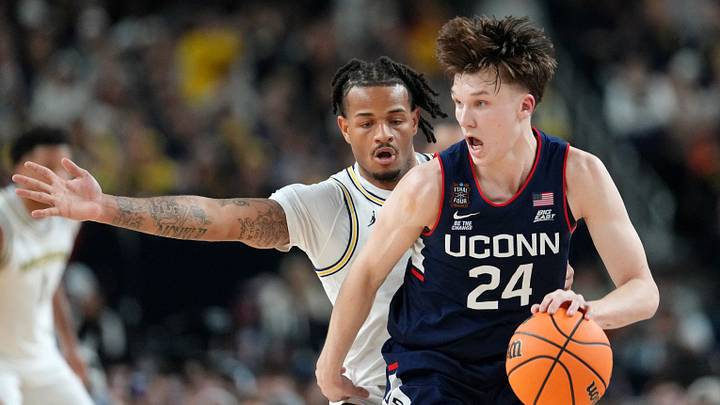
3. Will Braylon Mullins become UConn's primary perimeter threat?
UConn enters the season with enormous expectations after reaching the national championship game. The Huskies return several important contributors, including Braylon Mullins, whose shooting ability and confidence make him one of the nation's most intriguing young players. His development could become particularly important as Dan Hurley adjusts the team's offensive responsibilities.
Opponents will attempt to disrupt UConn's offensive movement and force individual players to create difficult shots. Mullins has the ability to punish defensive mistakes, but the Huskies need consistent production rather than occasional explosive performances. If he develops into a dependable primary scoring threat, UConn could have the offensive balance necessary to compete for another championship.
2. Can John Blackwell become Duke's late-game answer?
Duke has assembled another outstanding roster under Jon Scheyer, featuring talented returning players and highly regarded newcomers. John Blackwell arrives after averaging 19.1 points at Wisconsin, giving the Blue Devils an experienced offensive creator capable of performing against high-level competition.
The most important question involves how Duke handles difficult possessions against elite defensive opponents. The Blue Devils have enough talent to overwhelm many teams, but March frequently requires somebody to create offense when the preferred system isn't working. If Blackwell becomes that dependable late-game option, Duke could have one of the nation's most complete championship rosters.
1. Will Florida's guards make enough perimeter shots?
Florida enters the season with one of college basketball's most accomplished frontcourts. Thomas Haugh, Alex Condon and Rueben Chinyelu give the Gators an extraordinary combination of size, experience and interior production. That foundation should make Florida difficult to defeat throughout the season.
The biggest championship question involves perimeter shooting. Opponents will attempt to crowd the paint and challenge Florida's guards to make outside shots, particularly during important postseason games. Boogie Fland, Denzel Aberdeen and the team's other perimeter contributors must provide enough offensive balance to prevent defenses from concentrating exclusively on the frontcourt.
If Florida develops dependable perimeter shooting, the Gators could become extraordinarily difficult to defend. Their experienced interior players already create advantages through rebounding, passing and scoring around the basket. Consistent guard production would make those strengths even more dangerous.
The national championship race will feature several outstanding teams, but every contender has something important to prove. Injuries, offensive chemistry, defensive execution and the development of young players could all influence which programs survive the NCAA Tournament.
The team that eventually wins the championship might not be the one that looks strongest in October. It could be the program that finds the right answers to its biggest questions before March arrives.
 Add us as a preferred source on Google