

The most talented starting lineup in college basketball doesn't necessarily belong to the team best equipped to win a national championship. The NCAA Tournament presents challenges that can expose even outstanding teams, particularly when injuries, foul trouble or difficult defensive matchups force coaches to adjust their rotations.
Depth has become increasingly important as programs navigate demanding conference schedules and the uncertainty created by the transfer portal. Teams need dependable reserves who can maintain offensive production, defend multiple positions and contribute without requiring significant adjustments to the system.
The best rosters also provide flexibility. A team might need additional perimeter shooting against one opponent and greater interior size against another. Programs capable of making those adjustments without sacrificing quality have an important advantage when postseason basketball arrives.
These rankings consider established production, positional balance, experience and the number of players capable of contributing meaningful minutes. Simply having numerous scholarship players isn't enough. The emphasis is on how many dependable options a coach can realistically use against quality competition.
10. Tennessee
Tennessee has assembled an intriguing roster featuring several experienced transfers and important returning contributors. Juke Harris arrives after averaging 21.4 points at Wake Forest, giving Rick Barnes a proven offensive creator. The Volunteers also added guards Dai Dai Ames and Terrence Hill Jr., while Jalen Haralson provides additional perimeter versatility.
The frontcourt features Miles Rubin, Christian Fermin and returning forward DeWayne Brown II, giving Tennessee several options for establishing defensive resistance around the basket. That combination should allow Barnes to experiment with different rotations depending on the opponent. The biggest question involves how quickly the newcomers develop chemistry, but the overall roster offers considerable flexibility.
9. Vanderbilt
Vanderbilt returns one of the nation's premier guards in Tyler Tanner while adding several players capable of contributing immediately. Ace Glass arrives after averaging 16.4 points at Washington State, providing another dangerous perimeter scoring option. T.O. Barrett gives the Commodores additional backcourt versatility, while Chandler Bing returns with an opportunity to assume greater responsibilities.
The frontcourt also features important additions, including Bangot Dak, Berke Büyüktuncel and Sebastian Williams-Adams. Those players provide different combinations of size, athleticism and defensive ability, giving Mark Byington options against physical SEC opponents. Vanderbilt must establish chemistry among its newcomers, but the Commodores have the personnel to become one of the conference's most complete teams.
8. Houston
Houston has built one of college basketball's most consistent programs through defensive intensity, physicality and dependable guard play. Dedan Thomas Jr. arrives to provide experienced offensive leadership, while returning forward Joseph Tugler gives Kelvin Sampson one of the nation's premier interior defenders. The Cougars also have experienced contributors such as Chendall Weaver and several talented younger players.
The addition of freshman Ikenna Alozie provides another intriguing backcourt option, while Arafan Diané adds considerable size to the frontcourt. Houston's depth isn't simply about having numerous players capable of scoring. It's about maintaining the defensive effort and physical toughness that Sampson demands throughout an entire game. If the newcomers embrace those expectations, the Cougars could once again become one of the nation's most difficult teams to defeat.
7. Texas
Texas has assembled a roster featuring an impressive combination of returning experience, talented transfers and highly regarded freshmen. Matas Vokietaitis provides an established interior presence after averaging 15.6 points and 7.1 rebounds last season. David Punch arrives from TCU to provide additional frontcourt physicality, while Isaiah Johnson brings proven scoring ability from Colorado.
The Longhorns also added Mikey Lewis and talented freshmen such as Marcus Spears and Austin Goosby. That combination should give Sean Miller several options for creating different offensive and defensive lineups. The biggest concern involves chemistry because so many important contributors are new to the program. However, the individual talent and positional versatility could make Texas one of the SEC's most dangerous teams.
6. Michigan
Michigan must replace several important contributors from its national championship team, but the Wolverines have assembled another talented roster capable of competing at the highest level. Elliot Cadeau returns to direct the offense, while Trey McKenney has an opportunity to become a more significant scoring threat. Roddy Gayle Jr. provides additional experience, and highly regarded freshman Brandon McCoy Jr. gives Michigan another intriguing perimeter option.
The frontcourt features Moustapha Thiam, J.P. Estrella and several other contributors capable of providing size and versatility. Jalen Reed is also on the roster, although his recovery from an Achilles injury remains an important consideration. Michigan's ability to use different combinations of guards and big men could become a significant advantage. If the newcomers develop chemistry quickly, the Wolverines should remain among the Big Ten's strongest teams.
5. Louisville
Louisville has assembled one of the ACC's most intriguing rosters through a combination of experienced transfers and returning contributors. Flory Bidunga arrives from Kansas to provide outstanding interior defense, while Jackson Shelstad brings proven offensive creation from Oregon. Seth Trimble adds valuable experience after playing at North Carolina, giving Pat Kelsey another dependable perimeter option.
The Cardinals also have Karter Knox, Adrian Wooley and Álvaro Folgueiras, providing additional versatility across several positions. That combination should allow Louisville to adjust its lineups depending on the opponent while maintaining offensive balance. The biggest challenge involves establishing chemistry among players accustomed to significant responsibilities at their previous programs. If Kelsey manages those roles effectively, Louisville could become one of the ACC's most complete teams.
4. Arkansas
Arkansas has assembled another impressive recruiting class under John Calipari, but the Razorbacks also possess experienced contributors capable of providing stability. Billy Richmond III returns as an important two-way player, while Jeremiah Wilkinson arrives from Georgia after averaging 17.4 points last season. Cooper Bowser provides additional frontcourt experience following his transfer from Furman.
The freshman class features Jordan Smith Jr., JJ Andrews and Miikka Muurinen, giving Arkansas considerable athleticism and versatility. Those players should allow Calipari to experiment with different combinations while maintaining defensive intensity. The challenge will be establishing dependable offensive roles because several newcomers are accustomed to being primary contributors. If Arkansas develops that balance, the Razorbacks could become one of the nation's most dangerous teams.
3. Illinois
Illinois returns several important contributors from its Final Four team, giving Brad Underwood a valuable foundation for another championship pursuit. David Mirkovic emerged as one of college basketball's most impressive young forwards last season, while Andrej Stojakovic provides offensive versatility and shot creation. Tomislav Ivisic also returns to give the Fighting Illini an experienced interior presence.
The addition of Stefan Vaaks provides another perimeter weapon, while Quentin McCoy and several younger contributors offer additional flexibility. Illinois should have the ability to create different offensive combinations without sacrificing size or shooting. The biggest question involves how effectively the guards organize possessions against elite defensive pressure. If that area becomes a strength, the Fighting Illini could once again challenge for a Final Four appearance.
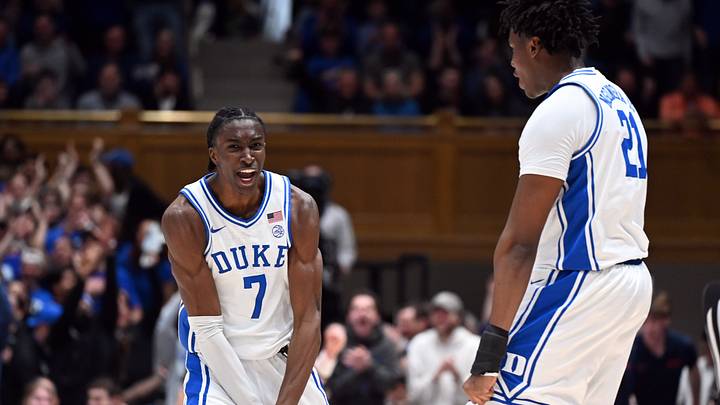
2. Duke
Duke has assembled an extraordinary collection of perimeter and frontcourt talent, giving Jon Scheyer several options for building different lineups. John Blackwell arrives from Wisconsin after averaging 19.1 points last season, while Caleb Foster and Cayden Boozer provide valuable returning experience. Dame Sarr offers defensive versatility, and freshman Deron Rippey Jr. adds another talented backcourt option.
The frontcourt features Patrick Ngongba II, highly regarded freshman Cameron Williams and several additional contributors capable of providing size and athleticism. Duke can create lineups built around perimeter scoring, defensive versatility or interior size without relying exclusively on one combination. The challenge will be establishing offensive chemistry among so many talented players. If Scheyer successfully defines those responsibilities, the Blue Devils could have one of the country's most complete rosters.
1. Florida
Florida enters the season with an extraordinary combination of returning talent, championship experience and positional balance. Thomas Haugh, Alex Condon and Rueben Chinyelu give the Gators one of the nation's most accomplished frontcourts. Their ability to rebound, defend and create scoring opportunities provides a foundation that few opponents can match.
The backcourt also features considerable experience, including Boogie Fland, Denzel Aberdeen and Urban Klavzar. Alex Lloyd gives Todd Golden another perimeter option, allowing Florida to experiment with different combinations without sacrificing offensive potential. The Gators can play through their frontcourt, create opportunities in transition or rely on their guards to generate offense when possessions become difficult.
What separates Florida from most other programs is the familiarity among its most important contributors. The Gators don't need to introduce an entirely new system or establish chemistry among five unfamiliar starters. They already understand the defensive expectations and offensive principles that have helped the program compete for championships.
That continuity should become particularly valuable during difficult conference games and the NCAA Tournament. Florida possesses the experience, versatility and depth necessary to survive challenging situations without completely changing its approach. Entering 2026-27, no team appears better equipped to handle the demands of a long championship season.
Depth doesn't guarantee a national championship, but it provides coaches with options when their preferred approach isn't working. The ability to survive foul trouble, adjust defensive assignments and maintain offensive production can become especially important during March.
These 10 programs possess the personnel to make those adjustments. The next challenge is determining which coaches can transform that individual talent into cohesive, championship-level basketball.
 Add us as a preferred source on Google