

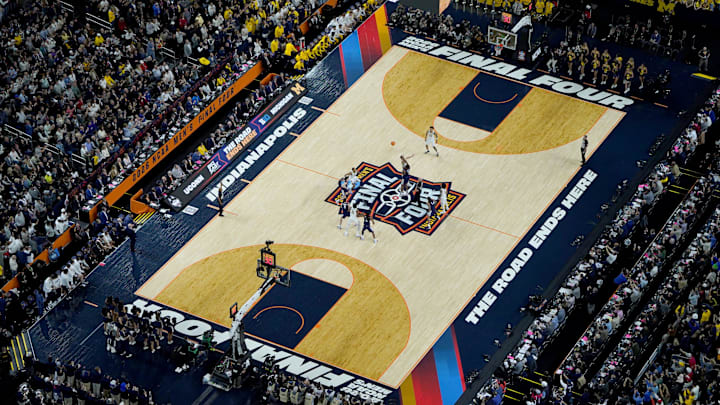
For years, the idea of expanding the NCAA Tournament lived in that gray area between rumor and reality. It was always discussed, often debated, and rarely embraced by fans. But now, the conversation has shifted. This is no longer theoretical. The momentum has clearly moved in one direction, and all signs point to a formal decision arriving soon. What once felt like a distant possibility is now sitting on the doorstep of becoming the biggest structural change to college basketball’s postseason in more than a decade.
Here is what we actually know right now about the potential expansion of March Madness and where things stand.
A 76-team tournament is expected soon
Multiple reports indicate the NCAA is preparing to expand both the men’s and women’s tournaments from 68 teams to 76. A formal announcement is expected as soon as mid-May, pending final approvals from various NCAA committees.
Those approvals still technically matter, but the language around the situation has made it clear this is largely procedural. The framework is already in place, and decision-makers appear aligned.
This would mark the first expansion since 2011, when the field grew from 65 to 68 teams.
The biggest driver is access, not money
Contrary to what many assume, expansion is not being framed internally as a massive revenue play. While there will be a modest financial upside, the primary push has come from power conferences seeking more at-large bids.
As leagues continue to grow in size and influence, there has been increasing pressure to create more pathways into the tournament. Expansion provides that.
That said, finances still matter. The NCAA is expected to offset increased travel and operational costs through new advertising opportunities and adjusted media structures.
The format will change significantly
The traditional bracket will not disappear, but the front end of the tournament will look very different.
Instead of the current “First Four” format in Dayton, the new structure would include:
- 24 teams playing in an expanded opening round
- 12 total play-in games across two sites
- One site likely remaining in Dayton, with another location expected outside the Eastern time zone
Those games would take place on Tuesday and Wednesday, meaning nearly a third of the field would play before the traditional Thursday first round even begins.
The core 64-team bracket would remain intact after that, but more teams would have to survive an extra step just to reach it.
Eight more at-large bids are being added
The expansion would primarily impact bubble teams. Eight additional at-large spots would be created, which will almost certainly go to teams from major conferences.
That is where much of the criticism comes from. Historically, teams just outside the cut line often include inconsistent or underperforming high-major programs. Expansion increases the likelihood that more of those teams make the field.
It also raises a real question about how far the bar for entry could drop over time.
NCAA leadership has long supported expansion
Charlie Baker has been one of the most consistent voices in favor of expanding the tournament. Since taking over as NCAA president, he has repeatedly pointed to access, growth, and the changing landscape of college athletics as reasons to revisit the format.
Meetings with media partners have already taken place, which is a critical step. Broadcast logistics and rights agreements are essential to making any expansion viable.
This has been building for years
Expansion has not come out of nowhere. The NCAA Tournament has gradually grown over decades:
- 64 teams became the standard in 1985
- 65 teams in 2001
- 68 teams in 2011
A move to 76 continues that trend, even if it feels like a more dramatic leap.
What happens next?
The final steps are straightforward:
- Media contracts must be finalized
- NCAA committees must formally approve the change
- The Board of Governors signs off
If all goes as expected, the expanded format could begin as soon as the next tournament cycle.
The reality fans are facing
Whether fans like it or not, expansion feels inevitable at this point. The debate over whether it is good for the sport will continue, but the direction is clear.
College basketball is preparing to change one of its most iconic events. The only real question left is how that change will feel once it becomes real in March.
 Add us as a preferred source on Google