

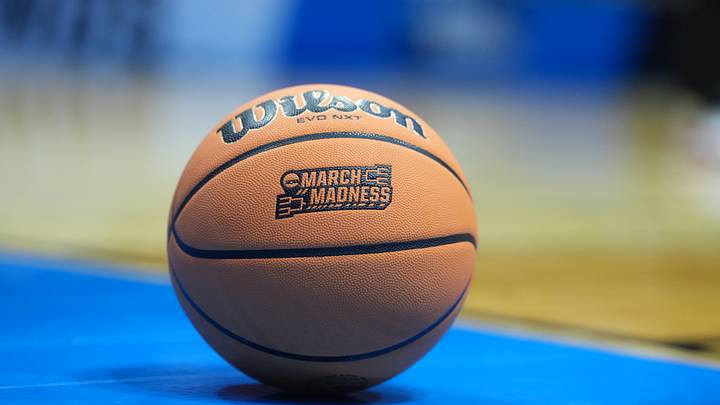
Every March, college basketball fans spend hours studying brackets, comparing records and trying to identify the teams capable of making unexpected runs. The temptation is to look at the rankings, find the schools with the most recognizable players and assume the strongest regular-season teams will be the toughest to eliminate.
The NCAA Tournament rarely makes things that simple. A team can dominate its conference for three months and still lose its opening tournament game. Another program might spend most of the season outside the national conversation before winning three or four games in March.
There isn't a guaranteed formula for surviving a single-elimination tournament, but there are characteristics worth examining long before Selection Sunday. Some are obvious, such as defending and rebounding. Others involve how a team handles possessions, creates scoring opportunities and responds when its preferred style stops working.
Guard play, turnovers and rebounding can change everything
The first characteristic is dependable guard play, although that means more than having a point guard who averages 20 points. Teams need players capable of recognizing defensive adjustments, controlling the tempo and making smart decisions when possessions become uncomfortable.
An experienced guard who can handle pressure, create a shot late in the clock and avoid unnecessary turnovers becomes particularly valuable against unfamiliar opponents. Tournament games often feature defensive looks that teams haven't encountered regularly during conference play.
The second characteristic is ball security. Every turnover removes a potential scoring opportunity, and careless mistakes become especially damaging when possessions are limited. Research examining NCAA Tournament favorites has identified turnover percentage among the factors associated with vulnerability to upsets.
Third is defensive rebounding. Teams can execute a strong defensive possession and still surrender points if they fail to finish it with a rebound. Opponents that consistently create second-chance opportunities can erase the advantages of a more talented roster.
Offensive rebounding provides another route to success. A team that struggles from the perimeter can remain competitive by generating additional possessions, drawing fouls and scoring near the basket.
The fourth characteristic is defensive versatility. A team comfortable playing only one style may be vulnerable when an opponent exposes a particular weakness. Programs capable of switching assignments, defending without fouling and adjusting to different offensive systems have more ways to survive difficult games.
That doesn't mean every successful tournament team must use multiple defenses. It means coaches need dependable answers when the original game plan stops producing results.
Shooting matters, but adaptability might matter more
The fifth characteristic is the ability to generate quality shots against different opponents. Three-point shooting can change a tournament game quickly, but simply attempting a high volume of threes doesn't guarantee success.
A team that relies almost entirely on perimeter shooting can become vulnerable when shots stop falling. Conversely, an underdog capable of making difficult three-pointers can erase a talent disadvantage in a matter of minutes.
The important distinction is between teams that have multiple ways to score and those that depend on one offensive approach.
Consider Purdue's 2023 first-round loss to Fairleigh Dickinson. The Boilermakers entered as a No. 1 seed, while Fairleigh Dickinson was a No. 16 seed that had reached the main bracket through the First Four. The Knights won 63-58, demonstrating that an overwhelming regular-season advantage doesn't guarantee a comfortable tournament result.
That example also illustrates why evaluating opponents matters. A team's overall efficiency can be excellent while a particular game presents an uncomfortable stylistic problem.
Coaching adjustments, foul trouble, late-game execution and simple shooting variance can all influence the outcome. Even a well-constructed roster can lose when several unfavorable developments occur together.
That's what makes identifying dangerous tournament teams so interesting. The goal isn't finding a school with no weaknesses. Such a team rarely exists.
It's finding programs with enough strengths, flexibility and composure to overcome those weaknesses when the season is on the line.
The best March Madness teams don't necessarily play beautiful basketball for 40 minutes. They find ways to win when the game becomes ugly.
 Add us as a preferred source on Google